Part 2: Evaluating Industrial Environments
Industrial and Environmental Ergonomics are the most common branches addressed in datacenters. Manual work in server aisles places strain on joints and muscles that differ from those affected by desk-based work.
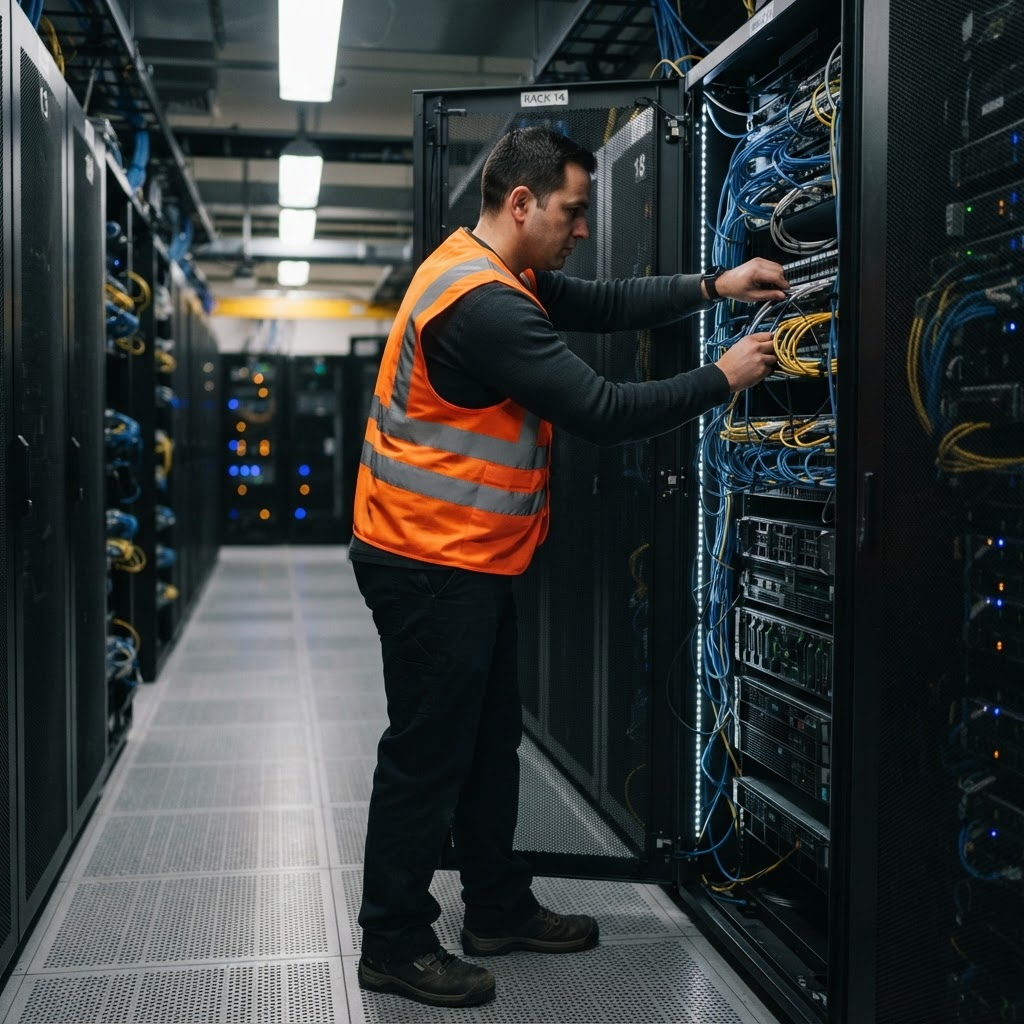
Industrial ergonomic risks
Organized by body part: arms, hands, back, and legs experience different strain mechanisms while working on servers for extended periods.
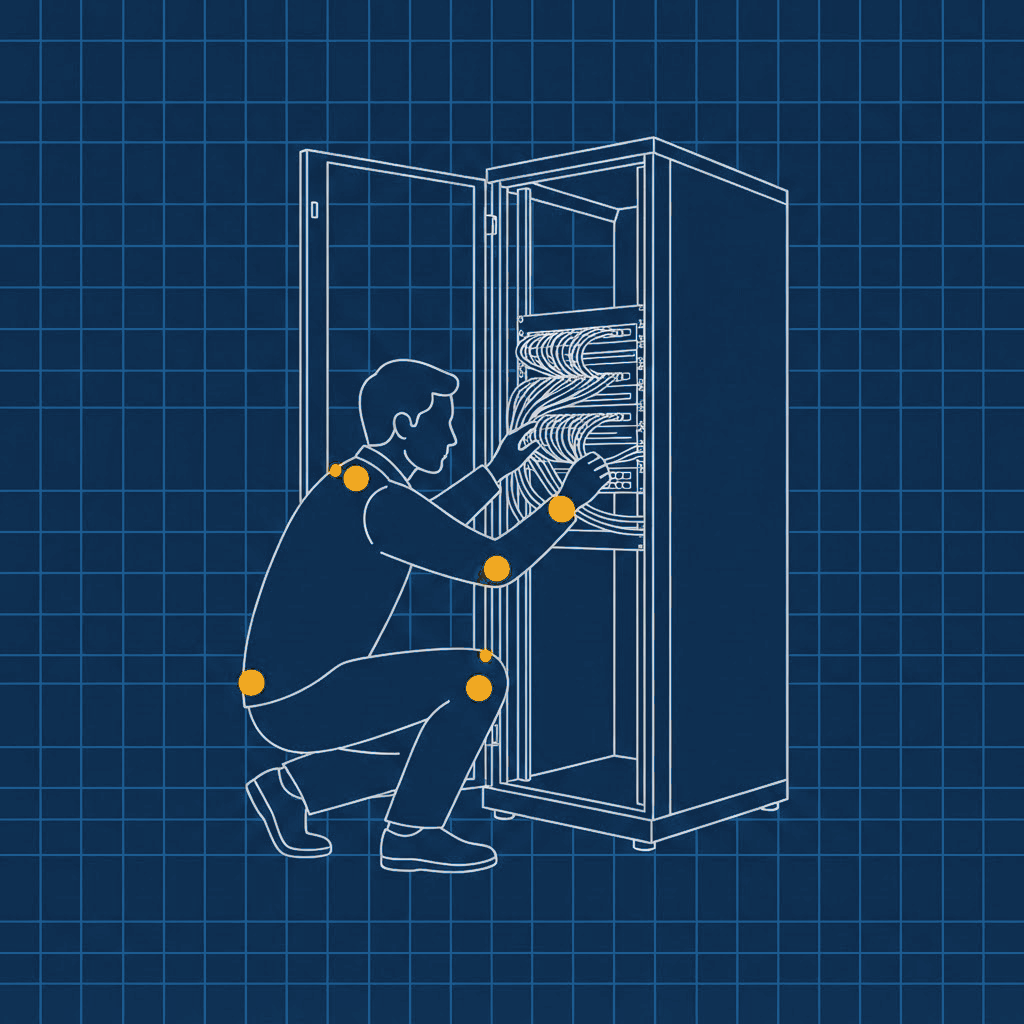
Five joint groups carry most of the load in a server aisle: shoulders and elbows from reaching, wrists and fingers from gripping, and the back, knees, and ankles from crouching or kneeling. The categories below map to each marked point.
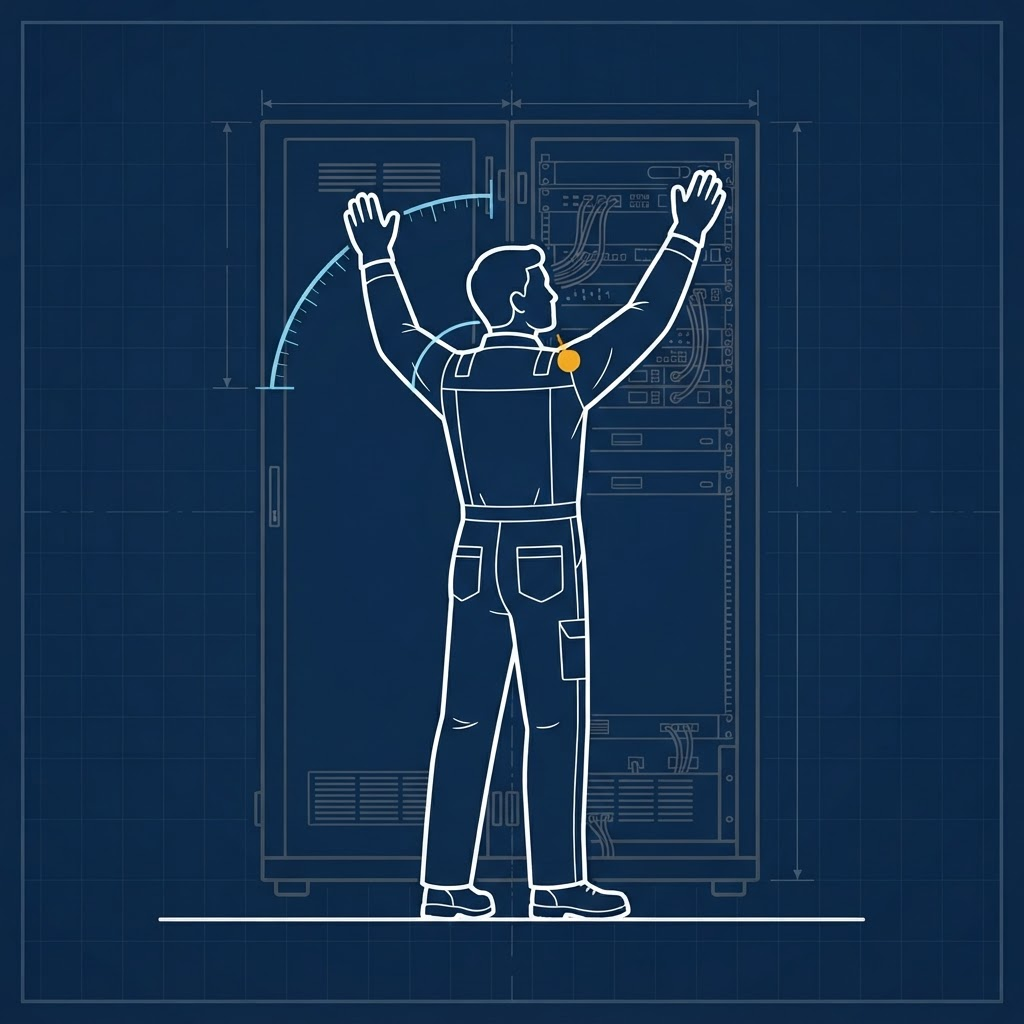
Arms / Shoulders
01Arms positioned outward and upward while working on servers for extended periods.
- Arms positioned outward; work performed at a distance in front of the body (shoulder flexion)
- Reaching overhead (shoulder abduction and extension)
- Using tools or handling materials while arms are outward or overhead
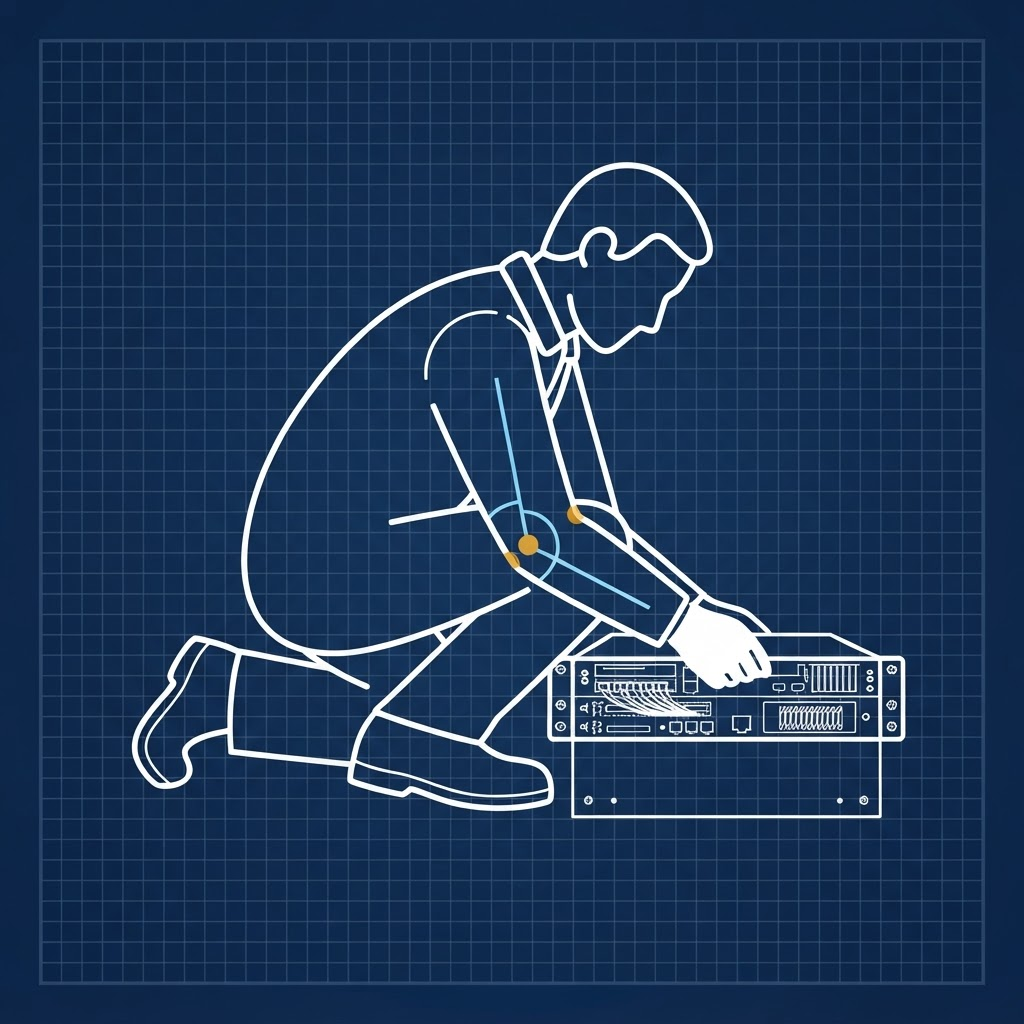
Arms / Elbows
02Arms positioned downward or close to the body while working on servers for extended periods.
- Arms positioned downward; work performed below waist level (elbow extension)
- Arms close to the body; work performed above waist level (elbow flexion)
- Using tools or handling materials with arms downward or close to the body
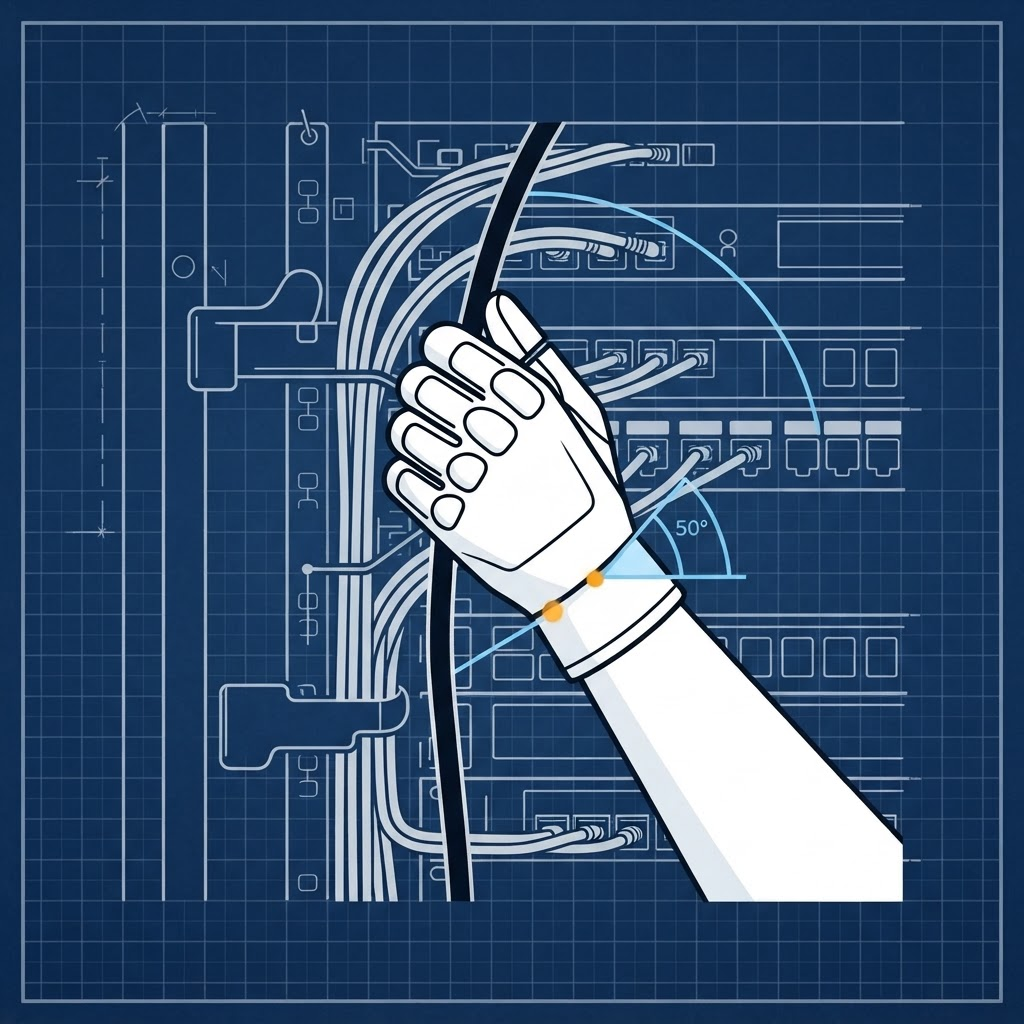
Hands
03Hands positioned backward, forward, or sideways while working on servers for extended periods.
- Hands in a backward position (extension)
- Hands in a forward position (flexion)
- Hands in a sideways position (radial or ulnar deviation)
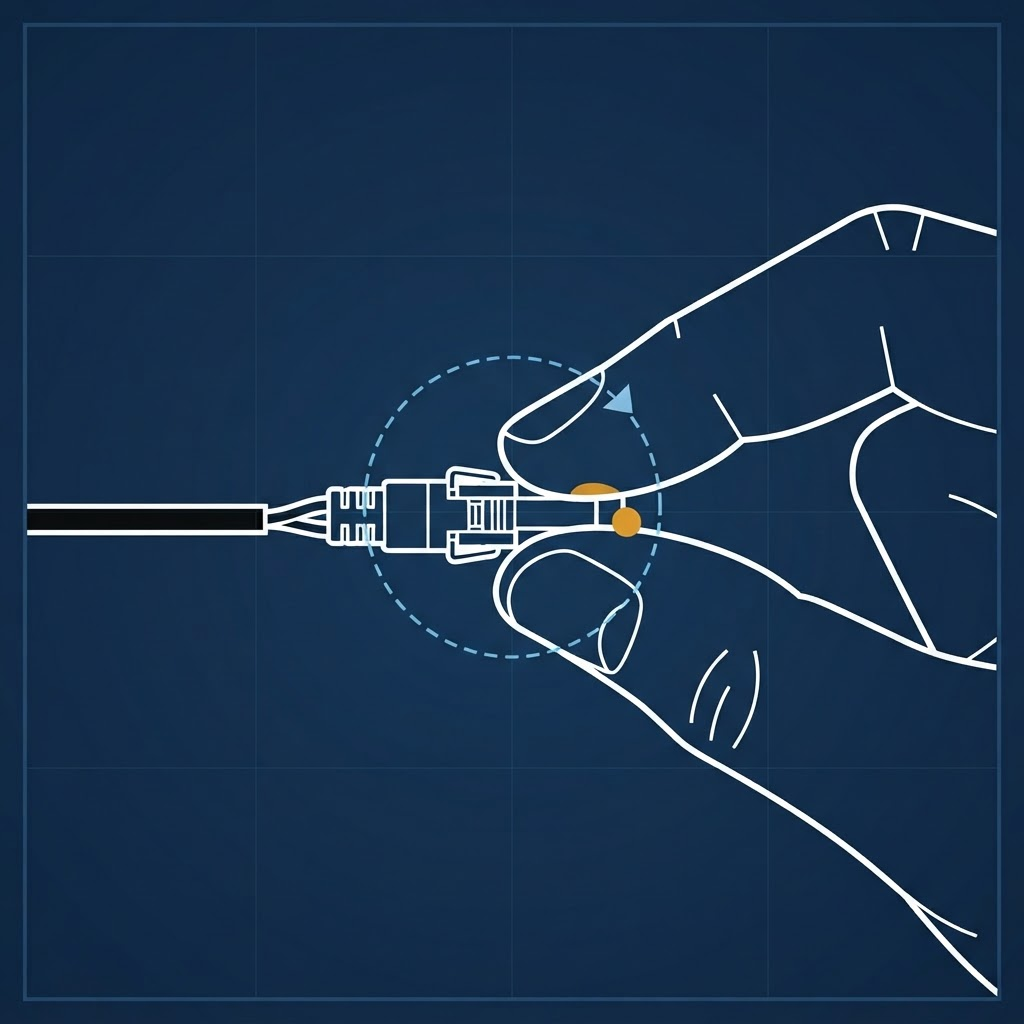
Fingers
04Fingers pinched while working on servers for extended periods.
- Employees pinching fingers to grip small parts, materials, or tools
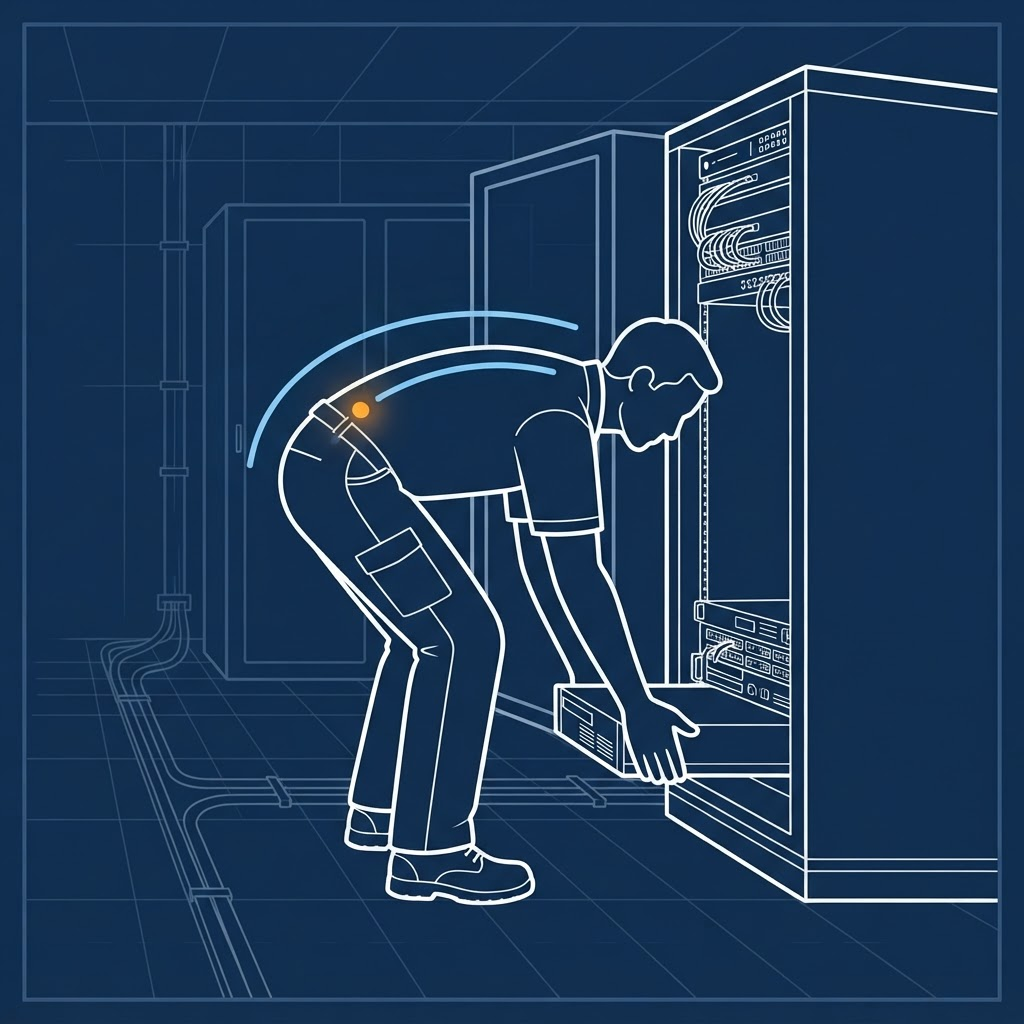
Back
05Bending, twisting, or standing for extended periods while working on servers.
- Bending forward to do work (back flexion)
- Bending backward to do work (back extension)
- Bending sideways to do work (lateral bending)
- Twisting at the waist while using tools or handling materials
- Prolonged standing to complete job tasks
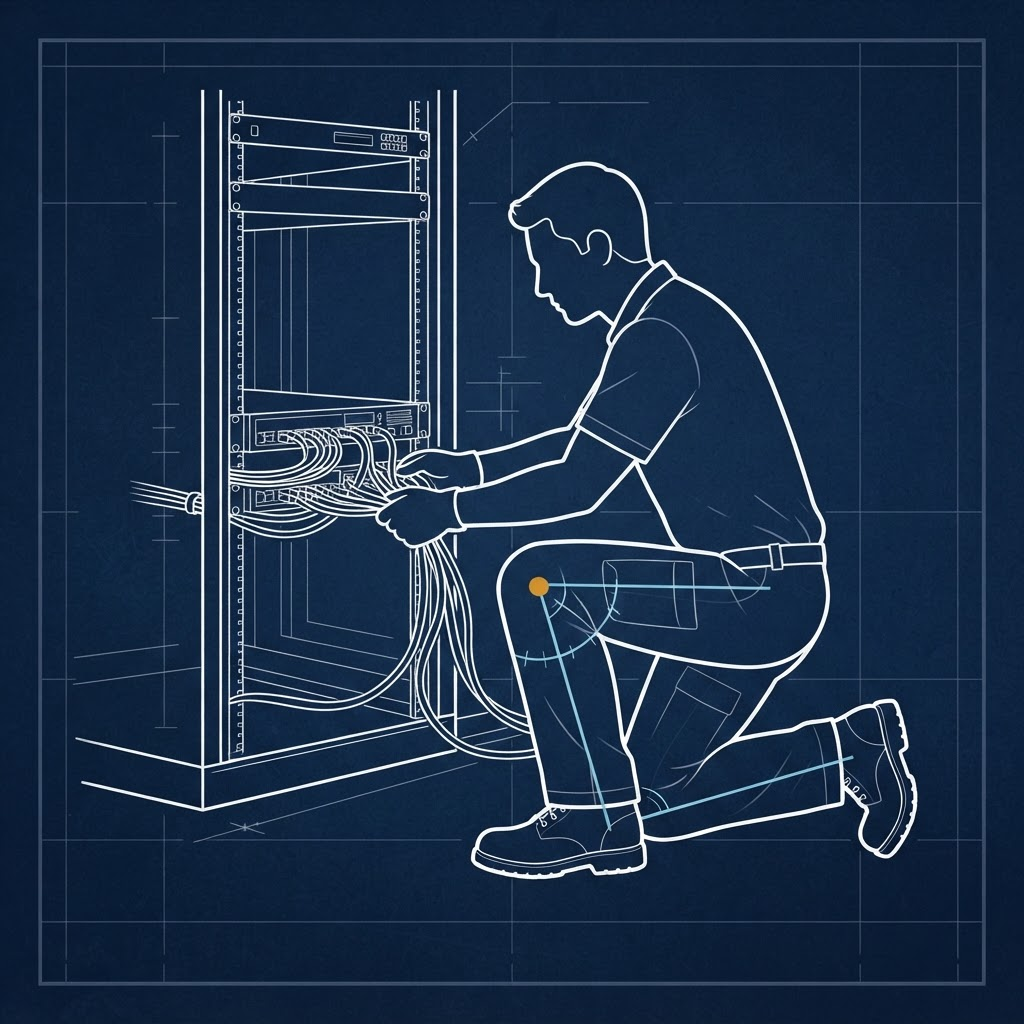
Legs / Knees / Ankles
06Kneeling or crouching for extended periods while working on servers.
- Working in a kneeling position with knees on the floor
- Working in a crouched position with knees bent and the upper body leaning forward
- Kneeling or crouching with arms extended while using tools or handling materials
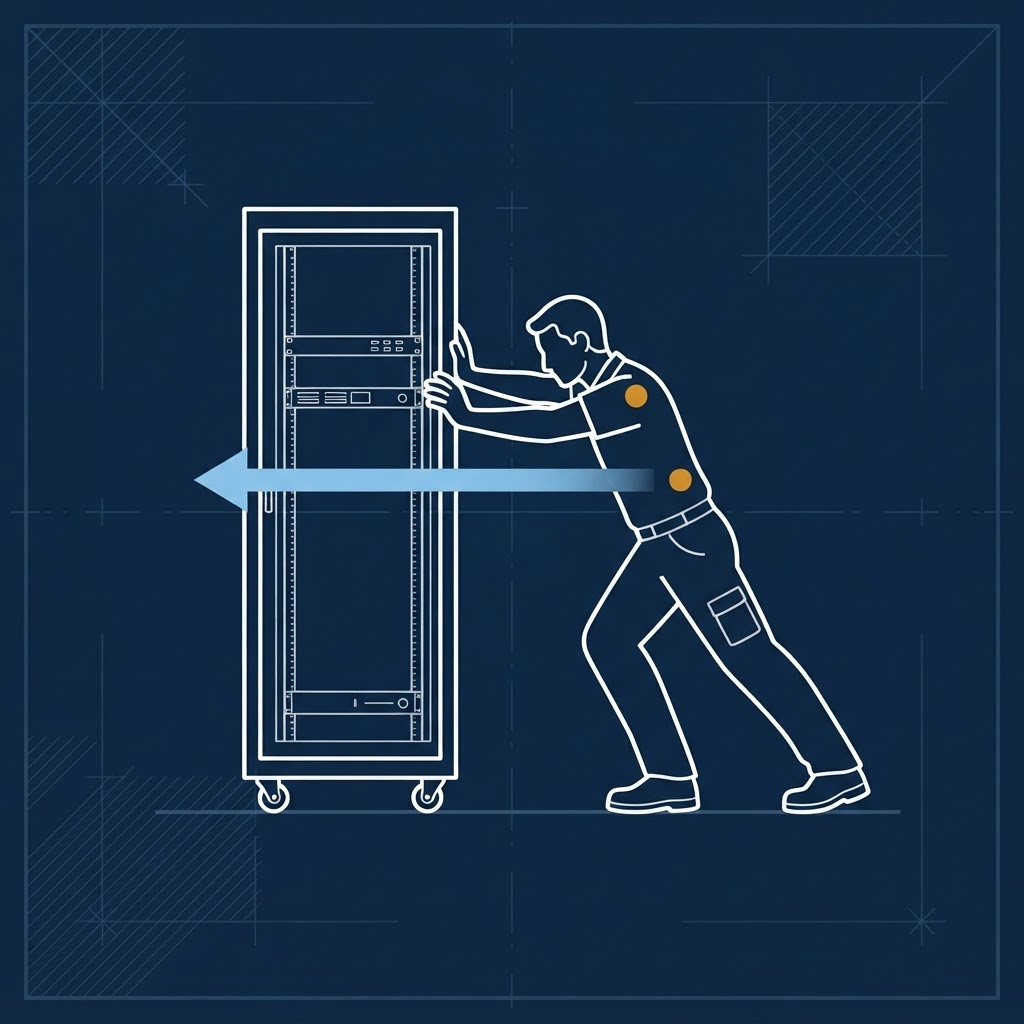
Back / Entire Body
07Pushing and pulling server racks, or lifting and carrying heavy loads.
- Moving servers or racks manually without assistive devices
- Lifting and carrying boxes or heavy wire bundles manually without assistive devices
Environmental ergonomic risks in industrial environments
Excessive noise, lighting, or temperature, plus PPE and signage checks specific to industrial spaces.
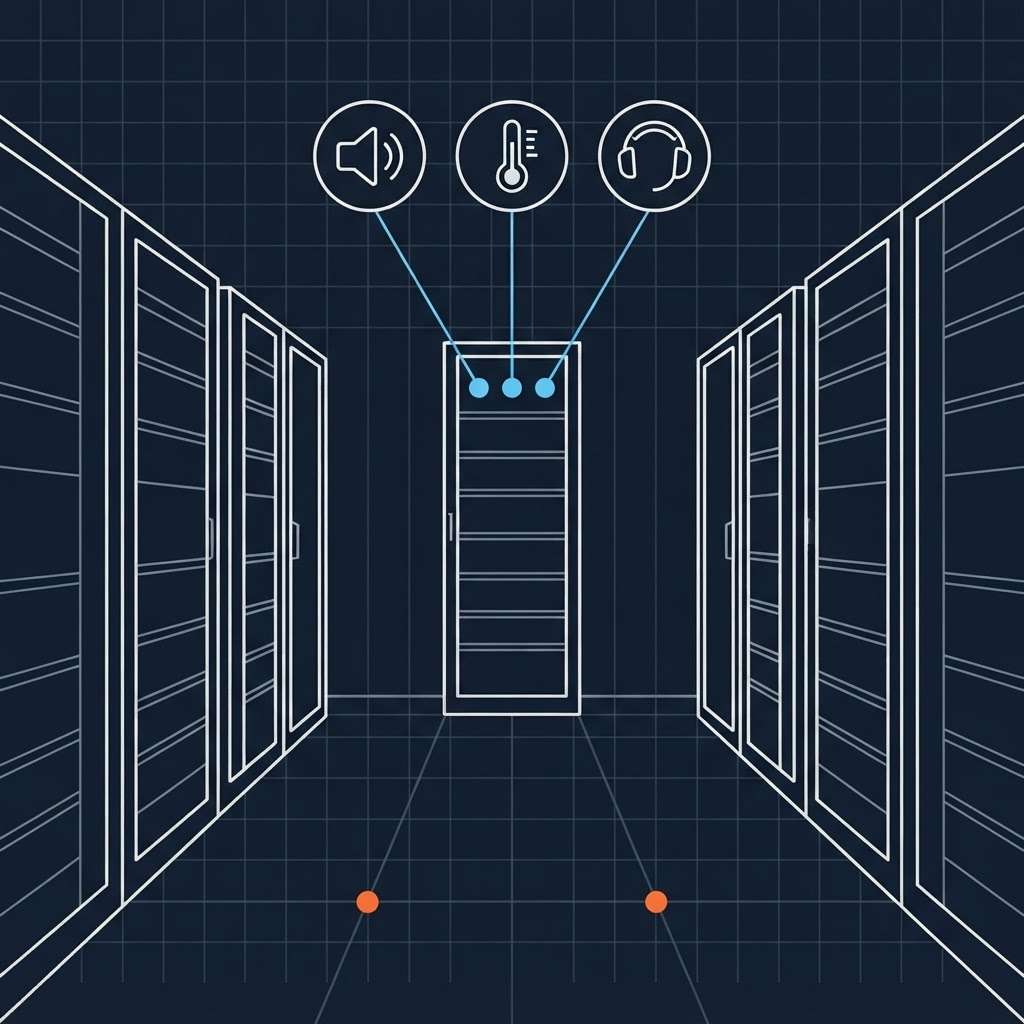
- Employees in noisy areas with no hearing protection
- Hearing protection signage in noisy areas
- Employees over- or under-dressed for the type of room (e.g. wearing gloves in a control room)
- Monitors without glare screens
- Proper positioning of light fixtures in work areas